




We frequently receive inquiries about the feasibility of on-site repair for abraded blades of high-temperature fans, and the answer is a definitive yes.
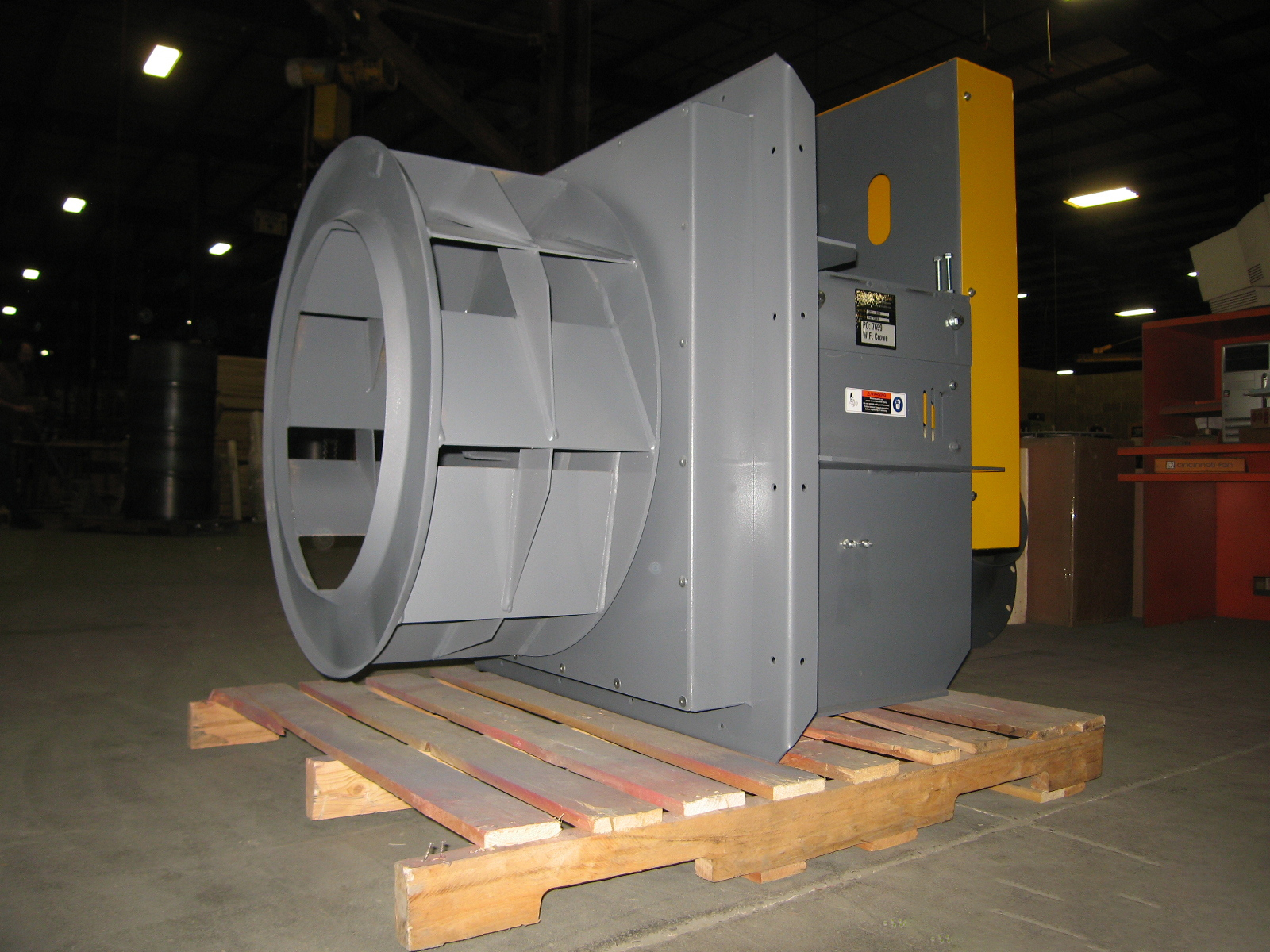
The core of surfacing repair for high-temperature fan blades is to prevent blade deformation and the cracking or spalling of the surfacing layer. By adopting the symmetric staggered welding method and skip welding method, and using low welding current with thin electrodes, local overheating and deformation of the surfacing layer can be effectively avoided. The detailed construction steps are as follows:
-
- Inspect the abrasion condition of the fan blades, measure and mark the areas requiring surfacing, and conduct thorough grinding on these marked areas.
- Use J422 electrodes to perform backing welding and leveling on the abraded spots of the blades.
- Backing welding operation: Adopt Φ3.2mm J507 electrodes for backing welding with a low current setting and slow welding speed. For a single blade, no more than 3 electrodes shall be used for continuous welding to prevent deformation during the backing welding process. To avoid overheating of the blade during welding, a simple temperature test applies – the back of the blade should remain touchable by hand.
- Surface surfacing operation: Use D502 or D507 electrodes for surfacing, following the same welding parameters and requirements as the backing welding step. Keep the electric arc as short as possible and adopt short straight-line welding movements instead of transverse weaving welding. The second weld bead shall overlap 2/3 of the first one. For a smooth surfacing surface, skip slag removal immediately after completing one surfacing layer. It is recommended to rotate the fan impeller to a position suitable for vertical welding or uphill welding during the operation. The ambient temperature around the welding area shall not be lower than -10℃. Pay close attention to the selection of surfacing areas: each surfacing layer shall have a width of 20mm with an interval of 40mm between adjacent layers. Never perform full surfacing on the working surface of the blades.
- Conduct dynamic balance testing on the fan impeller after the surfacing repair. The fan can be put into normal operation once its vibration value falls within the allowable range (G0.5 accuracy grade).